Tuesday, December 29, 2020

National Geographic: What we’ve learned about how our immune system fights COVID-19

By Fedor Kossakovski

    Over the past year, scientists have been studying the coronavirus and developed a vaccine at a record pace. During an infection, our immune system develops a healthy response, leaving us with antibodies. But in severe cases, it can end up going overboard or not working at all.
    First, the good news:
Immune responses fall on a spectrum. Our bodies develop lifelong immunity to viruses like hepatitis A or measles, while HIV, on the other end, can evade our bodies’ defenses for as long as we live. 'Fortunately, SARS-CoV-2 is closer to the hepatitis A end of the spectrum,' says Andrea Cox, a viral immunologist at Johns Hopkins University. 'It's not the easiest virus, but it's nowhere near HIV.'"

Sunday, December 27, 2020

Air and Space: NASA Photographer Bill Ingalls Has One of the Coolest Jobs on the Planet

By Mark Strauss

    Bill Ingalls has been a contract photographer for NASA for 30 years, and in that time, he's been almost everywhere.
"How Ingalls has approached the task of documenting the U.S. space program is reflected in a comment about the end of the space shuttle era...After taking one photo after another of the spacecraft, he realized the real story was the “people on the ground pointing and looking up with their jaws dropped. I was like, ‘There’s the emotion, there’s the tie-in.’ ” Portraying the emotions of the space program...has made Ingalls only the second photographer ever to receive the prestigious National Space Club Press Award."

    In 2011, he photographed astronauts returning after 5 months on the ISS in Kazakhstan, apparently getting lucky when another photographer's flash happened to backlight his scene.

Saturday, December 26, 2020

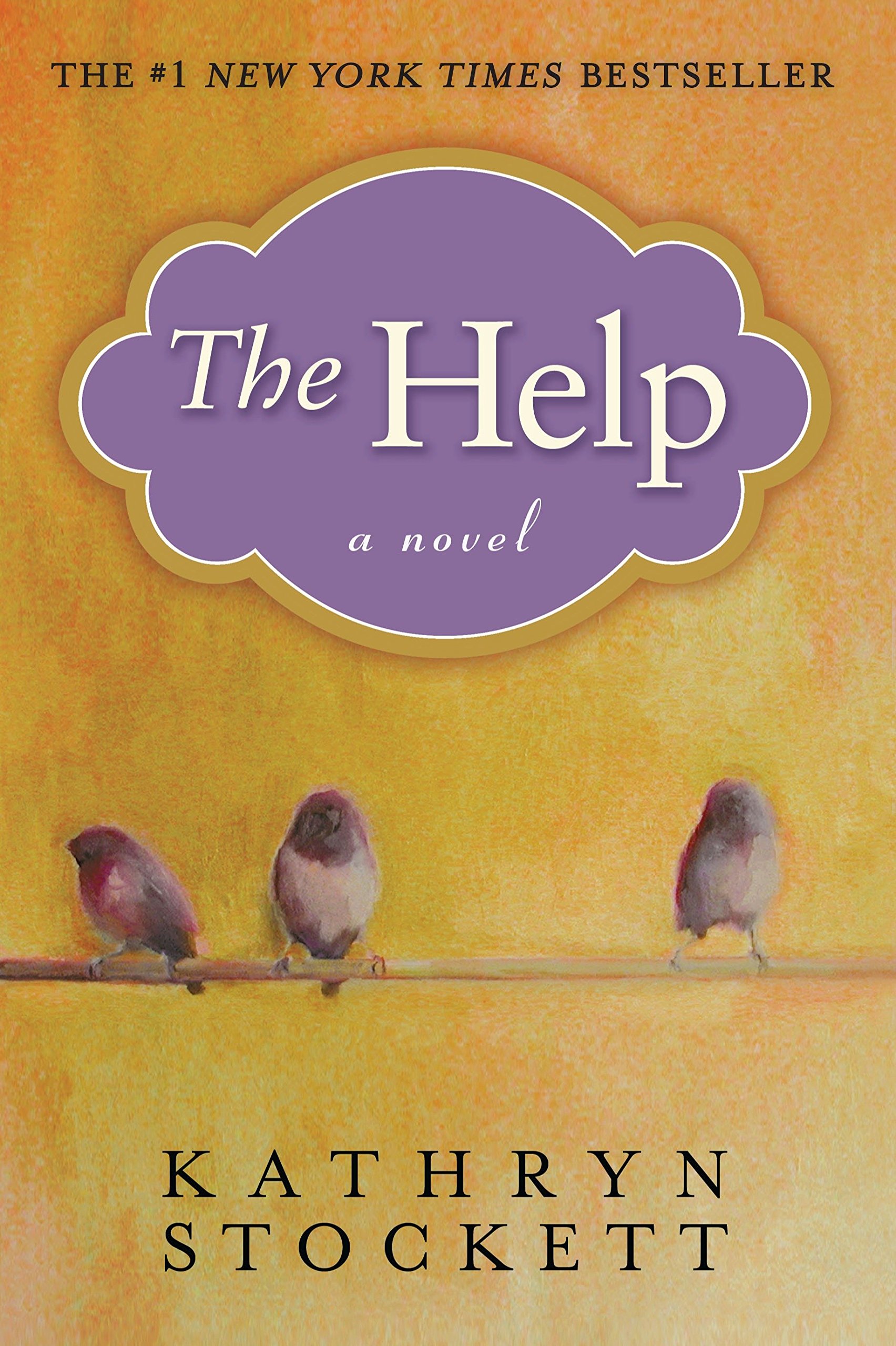
The Help

By Kathryn Stockett

    Set in Jackson, Mississippi in the 1960s, it follows the story of Skeeter Phelan and some maids working for white families in the city, commonly called "the help" (hence the title of the book).

    Aibileen has begun to work for Mrs. Elizabeth Leefolt after resting for months after her son's death. She takes care of Mrs. Leefolt's baby, Mae Mobley, and develops a strong love for her. Her friend, Minny Jackson, is an excellent cook, but she can't hold a job because she blabs at her employers. Her most recent job was for Mrs. Walters, Hilly Holbrook's mother. Skeeter Phelan, a young white woman, has just graduated from the University of Mississippi. She sticks out and is very tall, so her mother worries she will never get married.
    One day, Hilly suggests an initiative that would create segregated bathrooms for the help in white people's homes. Skeeter, as editor of the Jackson newsletter, is supposed to put this in, but she can't do it. She begins to see the injustices the white people put upon their Black servants, and wonders what happened to her childhood maid, Constantine.
    Minny has landed a new, high paying job, but her employer is odd. Mrs. Celia Foote is nervous that her new husband will realize that she's worthless at being a housewife, and refuses to let Minny and him cross paths. Minny agrees to teach her things on the condition that she eventually tell's Johnny (her husband).

Time: Georgia Polling Site Closures Reducing Access to Early Voting Among Working Class and Minority Voters, Civil Rights Groups Say

Sanya Mansoor

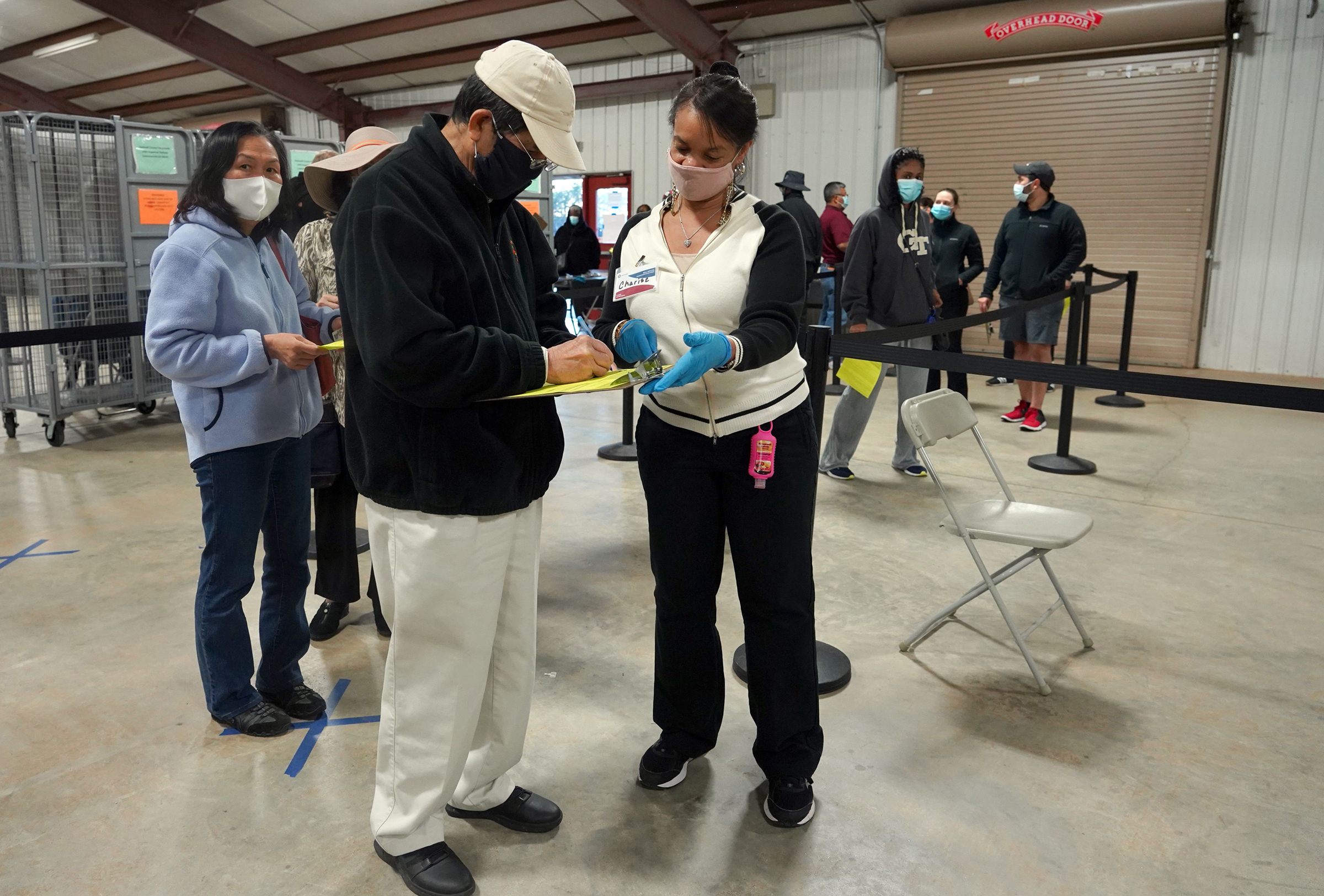
    Several counties in Georgia have closed a few in-person polling stations that were open during the general election, much to the disdain of civil rights advocacy groups. This is because the closed stations were ones nearby factories with minority groups. 
"The next closest voting location is more than seven miles away and there’s no easy way to access it via public transportation. Alarmed civil rights advocates expressed concern that four of the eight locations in Hall County that were open during the general election will not be open for the runoff election despite similarly large turnout figures across the state and the pandemic still raging. ...these closures would make it 'difficult, if not impossible, for many Latino and Black voters' to cast their ballot at advance voting locations...'"

    Not only will it make it harder for minorities to vote, but closing polling stations will also contribute to longer lines at the remaining areas, increasing health risk as well. All the accused counties maintain that stations were closed due to a lack of workers from the pandemic and holidays overlapping. This is especially important because the Georgia senate race will determine who controls the upper chamber and will likely be decided by a tiny margin.

"'The number of early voting locations was not reduced for the runoff; rather they were expanded for the presidential election given our expectation of turnout.'"

    Regardless, many minority group members work long hours and lack cars. Even if they do, the prospect of long lines and higher risk of infection may keep them away from the polls.